
Restoration
We progressively restore the site – meaning that restoration quarry takes place once we have completed mineral extraction in that area of the quarry, phase by phase. This ensures that we don’t leave extracted land unsuitable for use but transform it into areas for wildlife, agriculture, recreation and more.
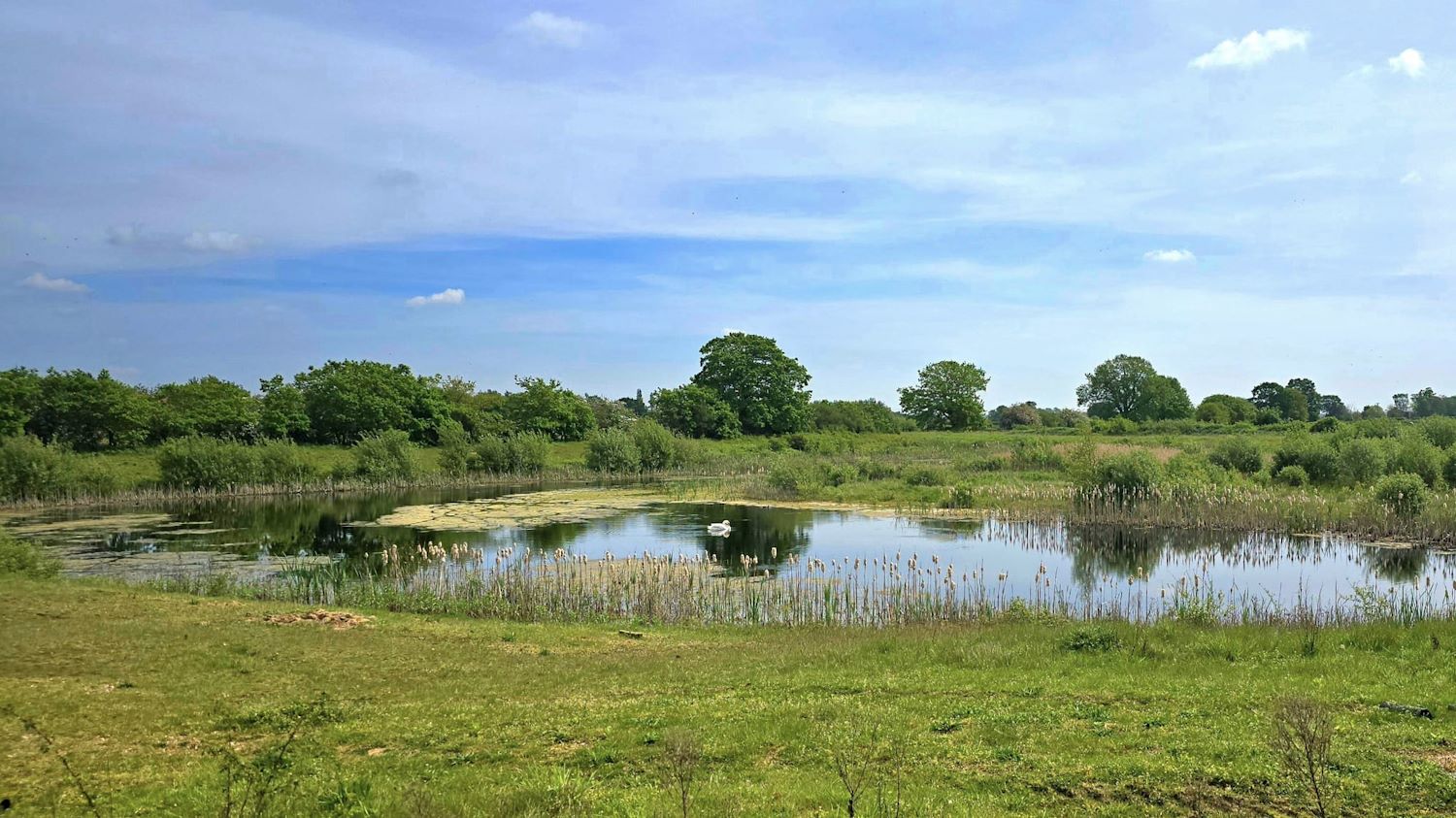
We work closely with ecologists and local conservation groups to ensure we protect and enhance biodiversity on site. Restoration plans are designed to create habitats including wetlands, grassland and woodland — all of which support a wide range of wildlife.
We’re proud to have restored a former section of the quarry into Whisby Nature Park, a thriving wildlife haven and community space. The Park attracts over 100,000 visitors each year, and offers a variety of natural habitats, from lakes and ponds to woodlands and grasslands. It also includes a Natural World Centre with educational opportunities and play areas for children.
We have a strong track record of delivering large-scale restoration schemes that bring benefits to the community and beyond, for example Langford Lowfields and Besthorpe Nature Reserve in neighbouring Nottinghamshire, a thriving wildlife haven that the Royal Society for the Protection of Birds and Nottinghamshire Wildlife Trust now manages respectively.